What Is a High-Risk Merchant Account for Ecommerce?
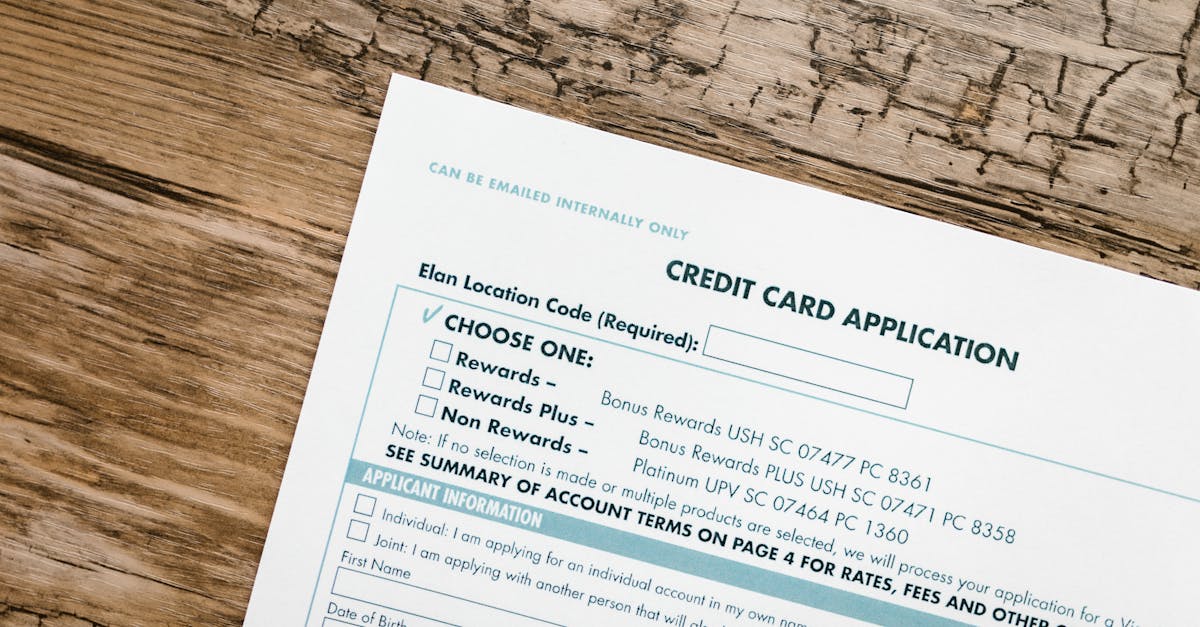
What a high-risk merchant account means for ecommerce
A high-risk merchant account means your ecommerce business sits in a category that payment providers watch more closely. That usually comes down to product type, chargeback exposure, legal rules, shipping limits, marketing claims, or all of the above.
For a new merchant, the confusing part is the label. "High risk" sounds like a judgment. It usually is not. A small wine shop, vape store, cigar retailer, adult brand, or knife shop can be well run and still be treated as high risk because the category itself gets more scrutiny.
That label affects real things. Approval can take longer. Document requests can be heavier. Processing fees can be higher. Account reviews can be stricter.
What is a high-risk merchant account?
A high-risk merchant account is the merchant account a bank or processing partner uses to accept card payments for a business that falls into a higher-scrutiny category. In ecommerce, that account sits behind your checkout and handles card authorization, settlement, and the movement of funds from the customer to your business.
A merchant account is not the same thing as a general payment processor relationship. A payment processor moves transaction data and helps route payments. A merchant account is the actual account structure that lets your business accept card payments under an acquiring bank's approval.
That difference matters more than most new merchants expect. A standard plug-and-play processor signup can feel instant, until the review team sees that you sell CBD gummies, e-liquid, cigars, or airsoft gear. Then the account gets flagged, paused, or denied because the underwriting rules for restricted goods are different.
A cleaner way to think about it is this:
| Setup | What it usually means | Who it fits |
|---|---|---|
| Standard processor setup | Faster signup, lighter review, broader self-serve | Low-risk ecommerce categories like apparel, home goods, and general merchandise |
| High-risk merchant account | Deeper underwriting, more documents, tighter monitoring | Restricted, regulated, age-restricted, or chargeback-prone categories |
A store can be high risk even with low chargebacks. Product category alone can trigger the label. A CBD store with almost no disputes can still be underwritten as high risk because the category carries legal, banking, and reputational concerns.
Why does a high-risk merchant account matter for age-restricted ecommerce stores?
A high-risk merchant account matters for age-restricted ecommerce stores because payment approval is often tied to how defensible the storefront looks before a processor ever sees your sales history. For restricted-product sellers, the website is part of the underwriting file.
That is where a lot of merchants get caught off guard. They think payment approval is only about business paperwork. It is also about storefront signals. If your OpoShop store sells vape juice, hemp products, wine, cigars, adult items, or knives, processors often look for age controls, policy pages, shipping rules, and product claims that do not create extra exposure.
A few common categories that often need a high-risk setup include:
- Vape and e-liquid
- CBD and hemp
- Alcohol, wine, beer, and spirits
- Tobacco, cigars, and nicotine pouches
- Adult products
- Knives and blades
- Airsoft
- Fireworks
- Kratom
- Certain supplements with tighter scrutiny
The approval question is rarely just, "What do you sell?" The approval question is also, "Does the store look like the merchant understands the rules?"
If you sell on OpoShop, that means your storefront presentation matters. A processor reviewing an OpoShop store will notice whether shoppers can browse restricted items freely, whether shipping terms are vague, and whether product pages make claims that look aggressive or misleading.
And yes, an age gate can help. An age gate does not replace underwriting, and it does not solve every legal requirement. But a branded age gate before browsing or buying can show that your store is taking age-restricted access seriously.
If you sell age-restricted products, a branded age gate can help your store look more review-ready without adding custom development.
How do you get approved for a high-risk merchant account?
You improve approval odds by making the store easy to review. Payment providers want a storefront that looks finished, clear, and controlled, not patched together.
For most small merchants, that means fixing the visible stuff first. You do not need a developer-heavy project. You need a store that answers the underwriter's obvious questions before they have to ask them.
A strong application usually includes business formation documents, owner identification, bank details, processing history if you have it, product details, supplier information, and category-specific licenses if your products require them. A processor may also ask for fulfillment timelines, refund language, and proof of how you verify age.
The storefront itself should match the story in your application. If your paperwork says you sell adult products only to adults, but your site has no age gate and no visible restrictions, that gap creates doubt.
Here is what that looks like:
Weak: "Fast shipping on vape products. Buy now." Stronger: "Age-restricted vape products. Adult signature or age-checked delivery where required. Shipping destinations and product restrictions listed before checkout."
That kind of change does not make the store fancy. It makes the store easier to trust.
If your store runs on OpoShop, this is also where app choices matter. A clean age-verification flow in your OpoShop store can help show that the business has thought through restricted access instead of leaving it loose.
High-risk merchant account vs standard processor setup: what is the difference?
The difference is underwriting depth, category tolerance, and account stability. Standard processor setups are built for low-friction. High-risk merchant accounts are built for categories that need closer review.
That usually shows up in a few places:
| Area | Standard processor setup | High-risk merchant account |
|---|---|---|
| Approval speed | Faster self-serve signup | Slower review with manual underwriting |
| Product tolerance | General retail categories | Restricted and closely watched categories |
| Documents requested | Lighter | Heavier |
| Monitoring | Lower-touch | Higher-touch |
| Account stability for restricted goods | Often shaky | More realistic fit |
| Fees | Often lower | Often higher |
A mainstream processor can work for some stores for a while. Then a review happens, a product line gets noticed, or a policy issue comes up, and the account gets frozen or terminated. That is the part small brands remember.
For restricted-product sellers, the goal is not chasing the easiest approval. The goal is getting approved in a setup that actually fits the business.
Common mistakes that make restricted-product stores look riskier than they need to
Most restricted-product stores look riskier because of preventable storefront issues, not because the business is automatically unworkable. Small fixes can change how the store reads to an underwriter.
The first mistake is having no age gate at all. If a customer can land on a nicotine pouch collection, a bottle shop catalog, or an adult product page with no age checkpoint, the store looks loose right away.
The second mistake is gating the wrong pages. Some merchants gate only the cart or only checkout. For many restricted categories, that is too late. In other cases, product-level gating is enough because only one collection needs it. The point is fit. A fireworks shop may want sitewide age verification. A general wellness store selling one hemp collection may only need gating on that collection and those product pages.
The third mistake is weak policy pages. Shipping restrictions, return terms, refund rules, and delivery conditions should be easy to find and easy to understand. If your OpoShop store ships alcohol only to allowed states or requires adult signature on delivery, say that plainly.
The fourth mistake is risky product claims. This is common with CBD, kratom, supplements, and vape-adjacent products. If the copy sounds like a medical promise, an underwriter may see more exposure than the merchant realizes.
The fifth mistake is a clunky age check that annoys real shoppers. You want age verification to be visible and defensible, but you do not want to interrupt the same customer on every page load. A branded age gate that remembers confirmation is a better signal than a sloppy pop-up that keeps reappearing.
What we recommend for small age-restricted ecommerce brands
We recommend building the store so an underwriter can review it in five minutes and understand exactly how you control access, explain policies, and limit avoidable risk. That is the standard worth aiming for.
For many small brands, that starts with a branded age gate. If the whole catalog is restricted, sitewide gating is usually the cleanest choice. If only one part of the catalog is restricted, collection-level or product-level gating can keep the rest of the shopping experience lighter.
The shopper experience matters too. Age verification should look like part of the store, not a broken overlay from another era. And once a shopper confirms age, the store should remember that confirmation so the gate does not keep getting in the way.
That setup is especially useful for merchants on OpoShop who want a cleaner path without custom code. A focused app setup in an OpoShop store can make the site look more intentional to both shoppers and payment reviewers.
See how a cleaner storefront setup can make age-restricted selling easier to defend.
Best answer: If your ecommerce store sells vape, CBD, alcohol, tobacco, adult products, knives, airsoft, fireworks, kratom, nicotine pouches, or other age-restricted goods, treat payment approval like a storefront review, not just a paperwork task. Use a branded age gate, publish clear policies, limit risky claims, and make your OpoShop store easy for a processor to understand at a glance.
FAQs
Why is my ecommerce store considered high risk?
Your ecommerce store is considered high risk if the products, chargeback exposure, legal rules, shipping limits, or compliance expectations create more concern for payment providers. A store can be labeled high risk because of category alone, even with clean operations and low disputes.
Do I need a high-risk merchant account to sell CBD, vape, or alcohol online?
Yes, many CBD, vape, and alcohol stores need a high-risk merchant account because those categories face tighter underwriting and more payment restrictions. Some merchants get approved through standard-looking setups at first, but long-term stability is usually better with an account built for restricted goods.
What do payment processors look for in age-restricted businesses?
Payment processors look for clear product categories, visible age controls, honest product claims, complete policy pages, shipping restrictions, and business documents that match the storefront. Payment processors also look for signs that the merchant understands who can buy the product and where the product can legally be shipped.
Can an age verification app help me look more compliant?
Yes. An age verification app can help your store look more compliant because it shows a visible effort to restrict access before browsing or buying. A branded age gate that remembers confirmation also keeps the experience smoother for returning shoppers.
What is the difference between age verification and identity verification for ecommerce?
Age verification checks whether a shopper confirms they are old enough to access or buy restricted products. Identity verification goes further and tries to confirm who the shopper actually is, often with personal data or document checks. Most small restricted-product stores start with age verification at the storefront level and add stronger checks only if their category, shipping flow, or payment provider requires it.
Ready to make your store look more review-ready for restricted-product payments?